Product Description
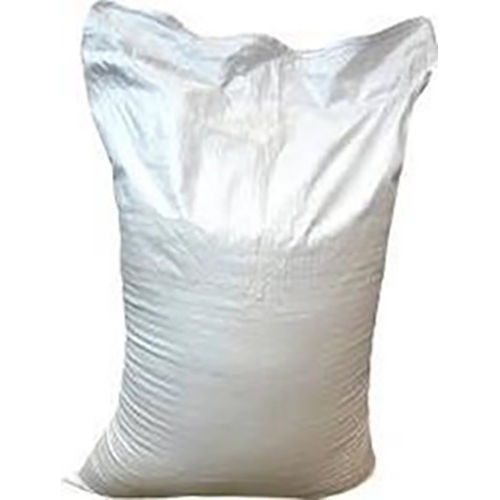
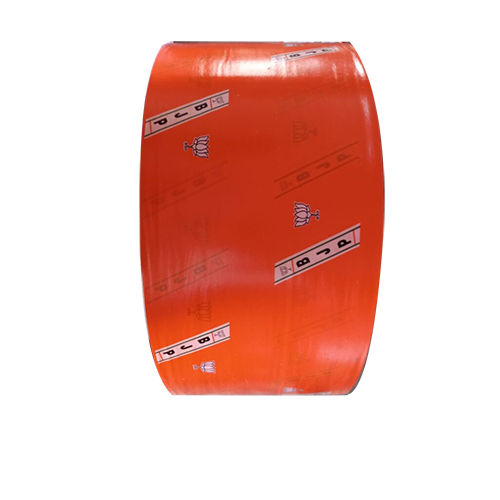
Features: Poly laminated woven fabric rolls are waterproof, making them a good choice for applications where moisture is a concern.
Applications: Poly laminated woven fabric rolls are used in a variety of industrial applications, such as mining and manufacturing. They are strong and durable, and they can withstand the harsh conditions found in these industries.
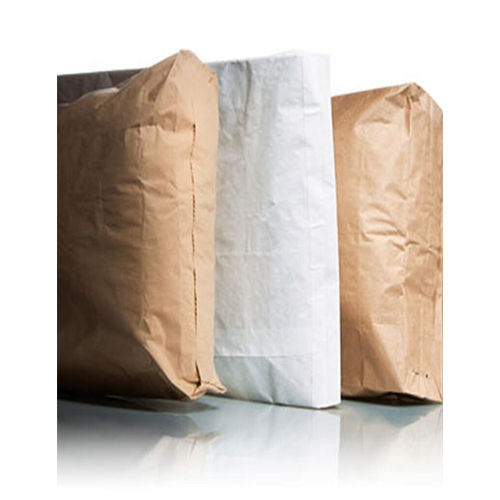
Versatile ApplicationsThe smooth laminated woven fabric rolls are designed for multiple sectors, including packaging, construction, agriculture, and industrial coverings. Their durable features make them suitable for environments requiring moisture resistance, waterproof protection, and high tear resistance, ensuring longevity and reliability in all usages.
Customizable SpecificationsOffered in various sizes, thicknesses, and colors-with widths from 300 mm to 2200 mm-the rolls are tailored to different project needs. Clients can select roll weights between 15 kg and 50 kg. Printing options are available using flexo or rotogravure methods, making branding or identification straightforward and cost-efficient.
Sustainability and SafetyThese Polypropylene (PP) woven fabric rolls are recyclable and maintain good chemical resistance. Their temperature range of -20C to +70C ensures performance in varied climates, while optional UV resistance further enhances outdoor durability. Heat sealable and waterproof, they meet modern safety and sustainability standards.
FAQ's of Laminated Woven Fabric Rolls:
Q: How do laminated woven fabric rolls provide an excellent moisture barrier in packaging and industrial applications?
A: The laminated surface forms a smooth, impermeable layer over the woven polypropylene base, effectively preventing water and moisture ingress. This ensures contents remain dry and protected, making the fabric ideal for packaging and coverings in humid or wet environments.
Q: What is the process for ordering customized sizes and colors of woven fabric rolls?
A: To order customized rolls, specify your required width (300-2200 mm), thickness (0.20-0.80 mm), fabric weight (60-200 GSM), length, color, and roll form. A minimum order of 500 kg is required. The manufacturer or supplier can guide you through selecting printing options and additional treatments like UV resistance.
Q: When should I choose optional UV resistance for these laminated woven fabric rolls?
A: Optional UV resistance is recommended if the rolls will be exposed to direct sunlight or outdoor environments, especially in construction, agriculture, or industrial covering applications. UV protection helps maintain fabric integrity and color over time by reducing degradation caused by sun exposure.
Q: Where are these laminated woven fabric rolls commonly used?
A: These rolls are widely used in packaging goods, construction site coverings, agricultural tarpaulins, industrial wrapping, and protective canopies, thanks to their waterproof, flexible, and durable nature. Their versatility meets the requirements of dealers, exporters, suppliers, and end-users across India.
Q: How does the heat sealable feature benefit the sealing process in packaging?
A: The heat sealable property allows the fabric edges to be securely bonded together using heat, creating strong, leak-proof seals. This simplifies packaging processes and enhances protection for stored or shipped items, reducing risks of contamination or damage.
Q: What are the advantages of using woven polypropylene fabric with good chemical resistance?
A: Polypropylene woven fabrics offer robust protection against a variety of chemicals and corrosive agents, which is essential for packaging, industrial, and agricultural applications where exposure to fertilizers, chemicals, or cleaning agents is frequent. This extends product life and improves safety.
Q: Can laminated woven fabric rolls be recycled after use, and what is the benefit?
A: Yes, these rolls are recyclable. Recycling reduces environmental impact, supports waste management goals, and can help lower overall costs for businesses by repurposing material. Using recyclable fabrics aligns with sustainable practices and regulatory standards.
 Mon-Sat 10.00 AM to 6.30 PM
 Call Us :-08045815995
 Chat with us







 Send Inquiry
 Send Inquiry
 Send SMS
 Call Me Free


