Product Description
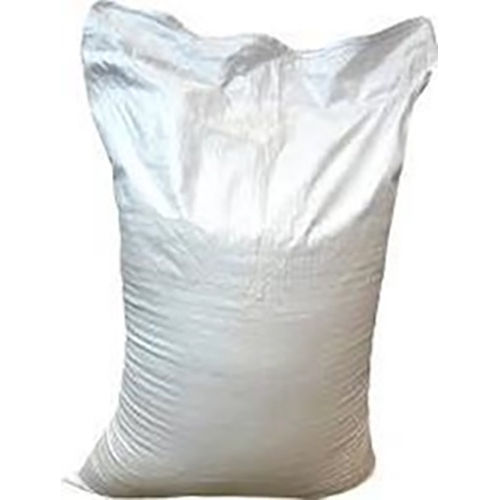
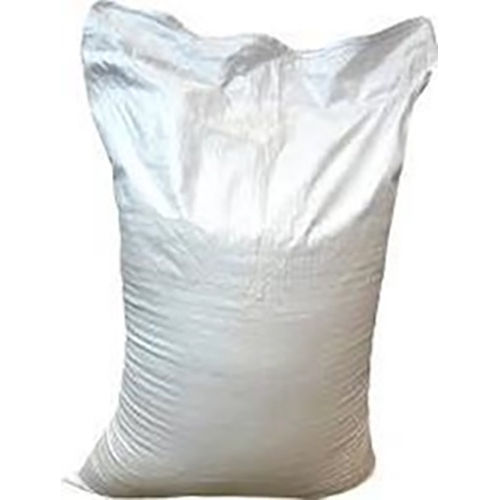
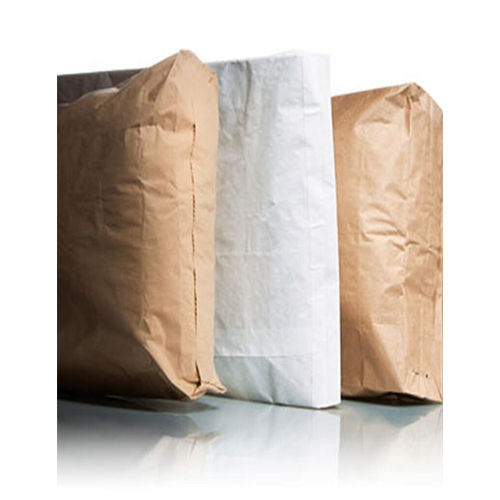
Features: Poly laminated woven fabric sacks are a versatile material that can be used in a wide range of applications. They are strong, durable, moisture-resistant, and cost-effective.
Applications: Poly laminated woven fabric sacks are used to transport and store construction materials, such as cement and sand. They are strong and durable, and they can withstand the elements.
Superior Protection for Valuable GoodsPolypropylene laminated woven fabric sacks offer outstanding moisture resistance and sturdy tear strength, thanks to UV stabilization and a water-repellent coating. These qualities safeguard agricultural produce, fertilizers, cement, and chemicals, even during handling and transportation under challenging weather conditions.
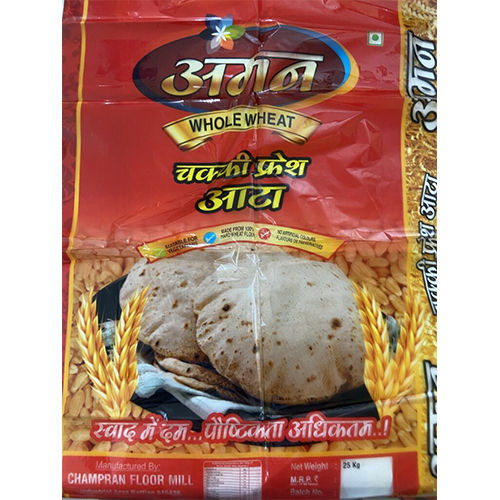
Customizable for Diverse Industry NeedsChoose from multiple sizes, colors, and finishes, whether you require glossy or matt appearance, plain or printed up to eight vibrant colors. With heat sealed or stitched options, as well as block bottom or valve designs, these sacks adapt to meet specific requirements for various sectors including food grains and construction.
Efficient and Reliable PerformanceEngineered for strength and flexibility, these sacks withstand temperatures between -20C to +60C. The reusable design and flexible hardness ensure cost-effectiveness and longevity, making them reliable for repeated use in industrial, commercial, and agricultural settings.
FAQ's of Laminated Woven Fabric Sacks:
Q: How are laminated woven fabric sacks manufactured for durability and weather resistance?
A: These sacks are made from polypropylene (PP) and undergo lamination, UV stabilization, and water-repellent coating processes. This combination delivers high tear and moisture resistance, making the sacks suitable for outdoor storage and handling in variable Indian climates.
Q: What industries commonly utilize these laminated woven sacks in India?
A: Agriculture, fertilizer, cement, food grain, sugar, chemical, and sand sectors frequently use these sacks. Their robust construction and customizable designs meet the needs of manufacturers, exporters, suppliers, and retailers concerned with secure bulk packaging.
Q: When should I choose heat sealing or stitching as the sealing method for my sacks?
A: Heat sealing ensures a more airtight and moisture-resistant closure, ideal for storing sensitive products like food grains and chemicals. Stitched seals are recommended for heavier or bulkier items where maximum mechanical strength is required.
Q: Where can these sacks be customized in terms of size, printing, and surface finish?
A: Manufacturers and distributors across India offer extensive customization, including dimensions (width from 30 to 75 cm and length as per customer needs), printing (up to 8 colors via flexographic or gravure methods), and finish choices of glossy or matt surfaces.
Q: What process is followed for printing on laminated woven fabric sacks?
A: Printing is typically done using flexographic or gravure technology. These methods allow for high-quality, multi-colored graphics on the bag's surface, creating both attractive branding and clear product labeling.
Q: How should I use and benefit from these sacks in packaging and transport?
A: Fill the sacks from the open or hemmed top, secure using heat seal or stitching, and choose a valve or block bottom as required. Their robust, reusable design helps protect goods from moisture, tearing, and temperature extremes, reducing losses and enhancing supply chain safety.
 Mon-Sat 10.00 AM to 6.30 PM
 Call Us :-08045815995
 Chat with us







 Send Inquiry
 Send Inquiry
 Send SMS
 Call Me Free


